
OpenAI
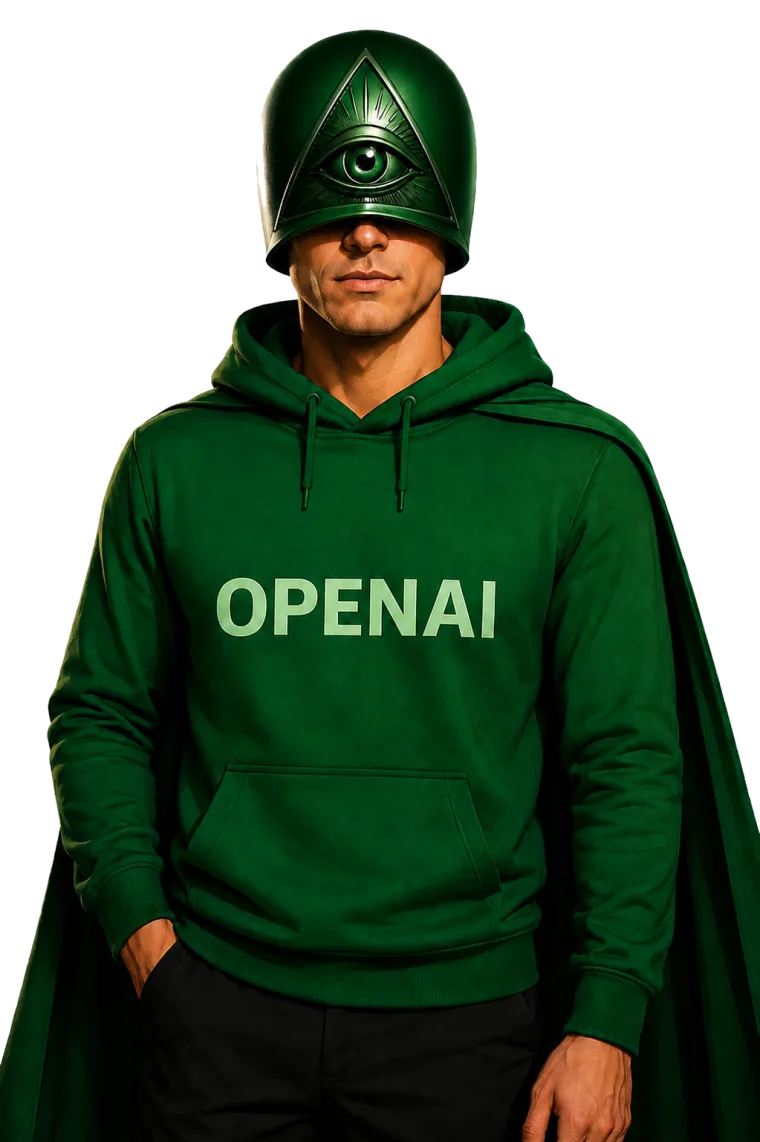
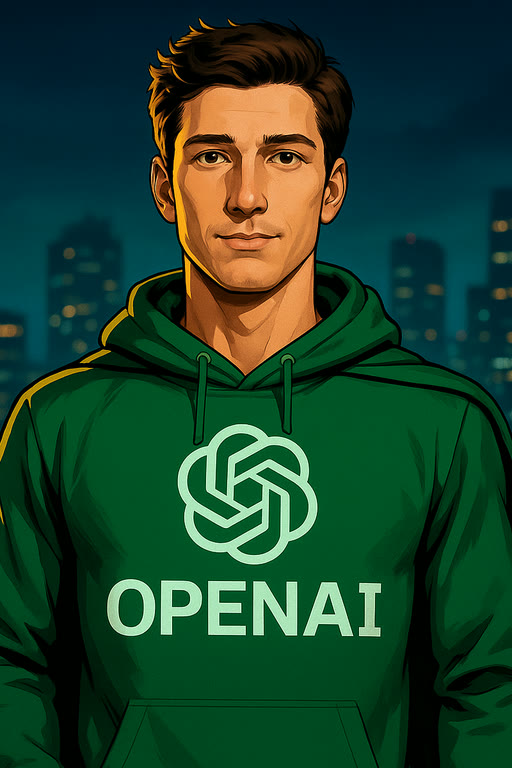
OpenAI · co-founder Sam Altman
Make sure artificial general intelligence benefits all of humanity.
Why it exists
OpenAI was announced in December 2015 as a non-profit research lab with a billion dollars in pledged funding and one stated worry: that the most consequential technology ever built would end up controlled by a single company. The founders — Sam Altman and Greg Brockman on the operating side, Ilya Sutskever and John Schulman on the research side, with Elon Musk among the backers — set out to do frontier work in the open as a counterweight.
That framing did not survive contact with the compute bill. In 2019 the lab restructured into a "capped-profit" arm so it could raise the billions that training runs demand, took Microsoft's investment, and stopped publishing its strongest results. The bet since then has been the opposite of the founding one: get to the frontier first, ship it to hundreds of millions of people, and shape the norms from the front rather than the sidelines.
ChatGPT, launched almost as an afterthought in November 2022, is what made that bet look obvious in hindsight. It is also why this titan argues the way it does in our council — it has watched adoption move faster than anyone's forecast, including its own.
The company
- Founded
- 11 Dec 2015
- Headquarters
- San Francisco, USA
- Founders
- Sam Altman, Greg Brockman, Ilya Sutskever, Elon Musk, Wojciech Zaremba, John Schulman
- Structure
- Non-profit lab (2015) → capped-profit (2019) → public benefit corporation
- Stated mission
- Make sure artificial general intelligence benefits all of humanity.
Go to the source
Only values the vendor published are plotted. Where a model has no stated context window, there is no point on the line — nothing is estimated.
Only values the vendor published are plotted. Where a model has no stated context window, there is no point on the line — nothing is estimated.